It takes years of discipline to build a great credit score. It takes only minutes for an identity thief to ruin it. In today’s digital age, data breaches are, unfortunately, a common occurrence. When your personal information—like your Social Security number and address—is exposed, criminals can use it to open credit cards, take out loans, and rack up debt in your name.
The damage from identity theft can take months or even years to untangle. The best defense to protect your credit is a proactive offense. Fortunately, you have powerful legal rights and tools available to lock down your credit report and stop thieves in their tracks. This guide will explain the differences between Credit Freezes, Locks, and Fraud Alerts, and show you exactly how to secure your financial identity.
Key Takeaways
- The Gold Standard: A Credit Freeze (or Security Freeze) is the strongest protection available. It completely blocks new creditors from seeing your report.
- It is Free by Law: Federal law dictates that placing, lifting, and removing a credit freeze is 100% free at all three major bureaus.
- Freeze vs. Lock: A “Lock” is often a paid commercial product from the bureaus. A “Freeze” is a federally guaranteed right. Stick with the Freeze.
- Fraud Alerts: A softer option that requires lenders to verify your identity before opening credit. Good for temporary caution, but less secure than a freeze.
- The “Big Three”: You must contact Experian, Equifax, and TransUnion individually to place a freeze. Doing it at one does not cover the others.
The “Nuclear Option”: What is a Credit Freeze?
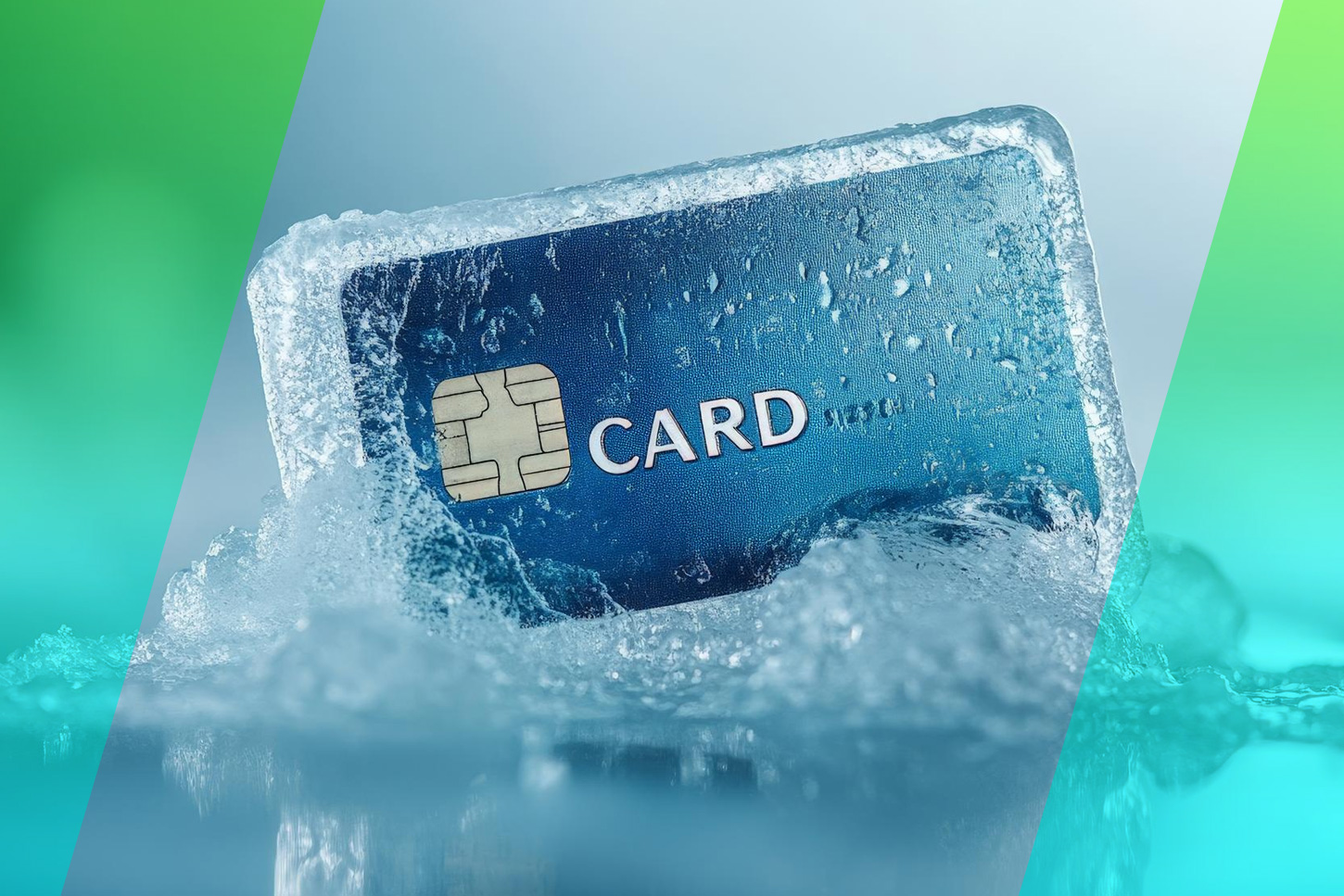
A Credit Freeze (also known as a Security Freeze) is the most effective tool you have to prevent identity theft. When you freeze your credit, you are essentially putting a padlock on your credit report.
How It Works
If a thief tries to apply for a credit card in your name, the bank will automatically try to pull your credit report to check your history. If your credit is frozen, the bureau will say, “Access Denied.” Because the bank cannot see your score, they will not approve the loan. The thief is stopped cold, which can help protect your credit.
The Pros and Cons
- ✅ Pro: It is virtually impossible for someone to open a new account in your name.
- ✅ Pro: It is free and does not affect your credit score.
- ✅ Pro: It does not stop you from using your existing credit cards.
- ❌ Con: It is a slight inconvenience for you. If you want to apply for a car loan or a new card, you must log in and “thaw” (temporarily lift) the freeze for a specific period of time (e.g., 24 hours).
Credit Freeze vs. Credit Lock: Don’t Get Confused
This is where the credit bureaus often confuse consumers. When you go to their websites, they may try to sell you a “Credit Lock” service (often bundled with monthly monitoring fees).
- Credit Freeze: Guaranteed by Federal Law. Free. Strong legal protections.
- Credit Lock: A commercial product created by the bureaus. Sometimes free, sometimes paid. It is easier to unlock (usually via an app), but it lacks the same federal legal protections as a freeze.
Recommendation: Unless you are applying for new credit constantly (which you shouldn’t be), the free Credit Freeze is the superior choice for most people.
How to Freeze Your Credit (Step-by-Step)
You cannot freeze your credit in one place. You must do it individually with each of the three major credit bureaus. If you freeze two but leave one open, thieves can still exploit the open one.
Set aside 30 minutes and visit these official pages to create your free accounts and toggle the freeze switch:
- Equifax: Visit Equifax.com/personal/credit-report-services
- Experian: Visit Experian.com/freeze
- TransUnion: Visit TransUnion.com/credit-freeze
Note: You will need to verify your identity by answering questions about your financial history (e.g., “What was your monthly payment on your 2018 Honda Civic?”).
The “Soft Option”: What is a Fraud Alert?
If you don’t want to deal with the hassle of freezing and unfreezing your credit, a Fraud Alert is a good middle ground.
When you place a Fraud Alert, you are telling lenders: “I might be a victim of fraud. Please call me to verify my identity before opening any new accounts.”
- How it works: Lenders see a “red flag” on your file. They are legally required to take “reasonable steps” to verify it’s you (usually by calling the phone number you provided) before approving credit.
- The Benefit: You only need to contact one bureau. That bureau is required by law to notify the other two.
- The Duration: A standard fraud alert lasts for one year and can be renewed.
This is an excellent option if you have lost your wallet or believe your data was part of a recent corporate breach but don’t want a full freeze.
Digital Hygiene: 3 Habits to Protect Your Data
Freezing your credit protects you after your data is stolen. These habits help prevent it from being stolen in the first place.
1. Never Click Links in “Urgent” Texts/Emails
This is called “Phishing.” Thieves will send texts pretending to be your bank, Amazon, or Netflix, saying “Account Suspended! Click here to verify.” Never click the link. Always log in to the official app or website directly to check for messages.
2. Use Unique Passwords
If you use the same password for your email and your bank, one breach ruins everything. Use a Password Manager to create long, complex, unique passwords for every financial account.
3. Turn on Two-Factor Authentication (2FA)
Enable 2FA on your email and bank accounts. This ensures that even if a thief has your password, they cannot log in without the code sent to your phone. It is a critical second layer of defense.
Peace of Mind is Free, So Protect Your Credit!
Protecting your identity doesn’t require expensive monthly subscriptions or credit monitoring services. By utilizing the federal right to Freeze Your Credit and practicing basic digital hygiene, you can build a fortress around your finances. It costs you nothing but a little bit of time, but it buys you priceless peace of mind.
Disclaimer (Please Read): The content in this article is for informational purposes only and does not constitute financial, tax, or legal advice. Individual results will vary, and past performance does not guarantee future results. For specific questions and personalized guidance, consult a Swift Debt Relief professional or a qualified financial advisor.